Rehabilitation medicine
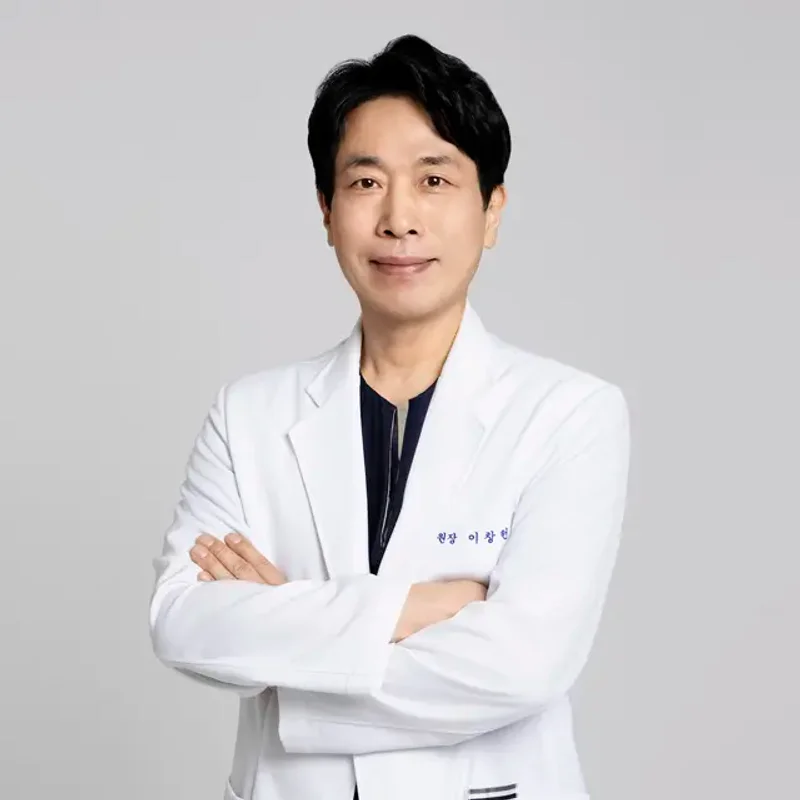
Dr. Yi Chang Heon
Rehabilitation, growth-related concerns, foot care and movement assessment.
Yonsei Re Cell
Background & care roleClinic profile / Seoul
BMAC, described on its Korean site as autologous bone marrow cell-regeneration treatment.
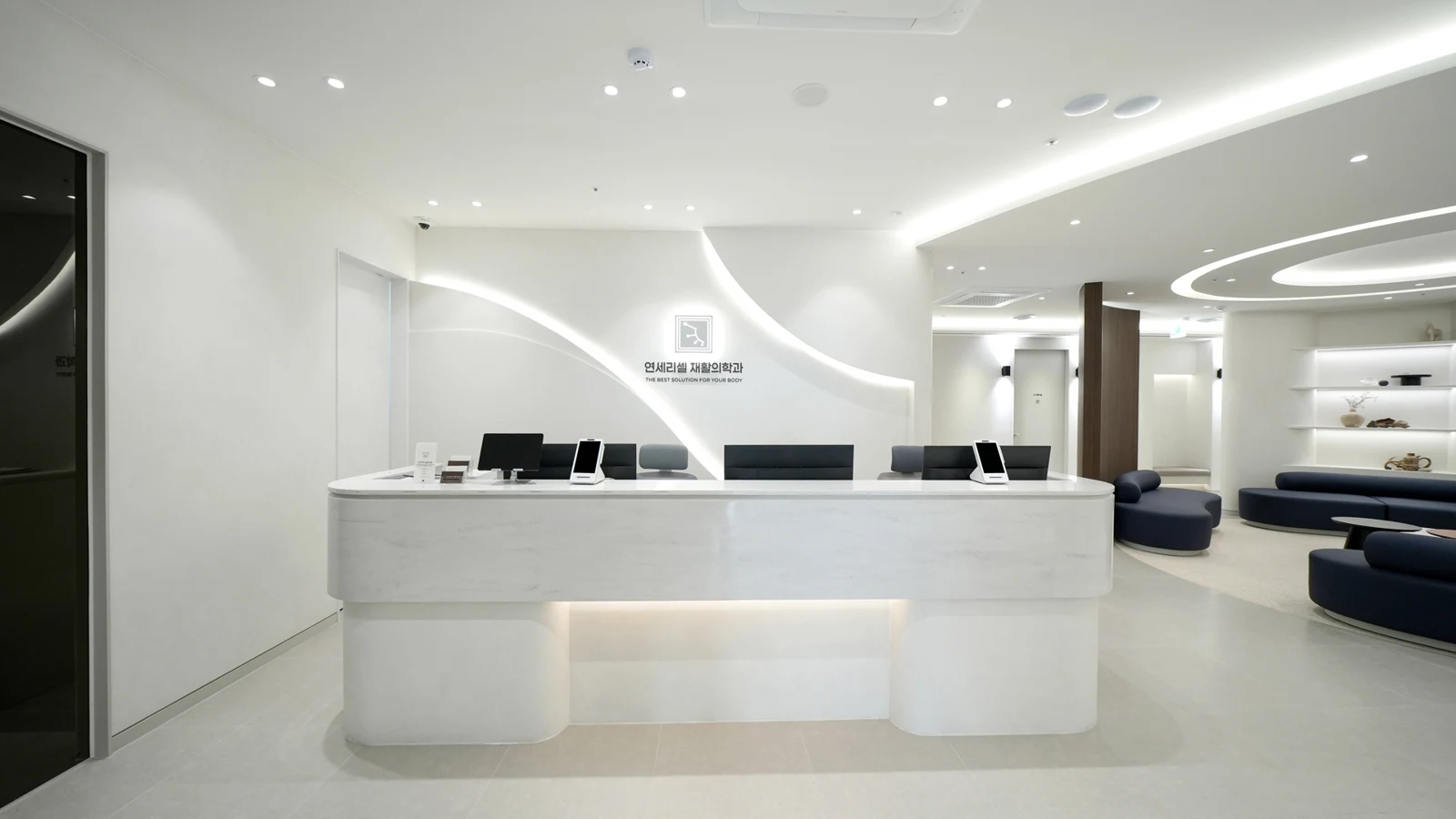
Yonsei Re Cell provides care in musculoskeletal medicine in Seoul. BMAC, described on its Korean site as autologous bone marrow cell-regeneration treatment.
Yonsei Re Cell focuses on rehabilitation, pain medicine and non-surgical spine and joint care. Its regenerative menu includes PRP, PRF and bone marrow-based treatment.
BMAC is different from platelet-based preparations, so ask which is recommended and why. Discuss how the procedure fits with rehabilitation, activity goals and the assessment of movement or pain over time.
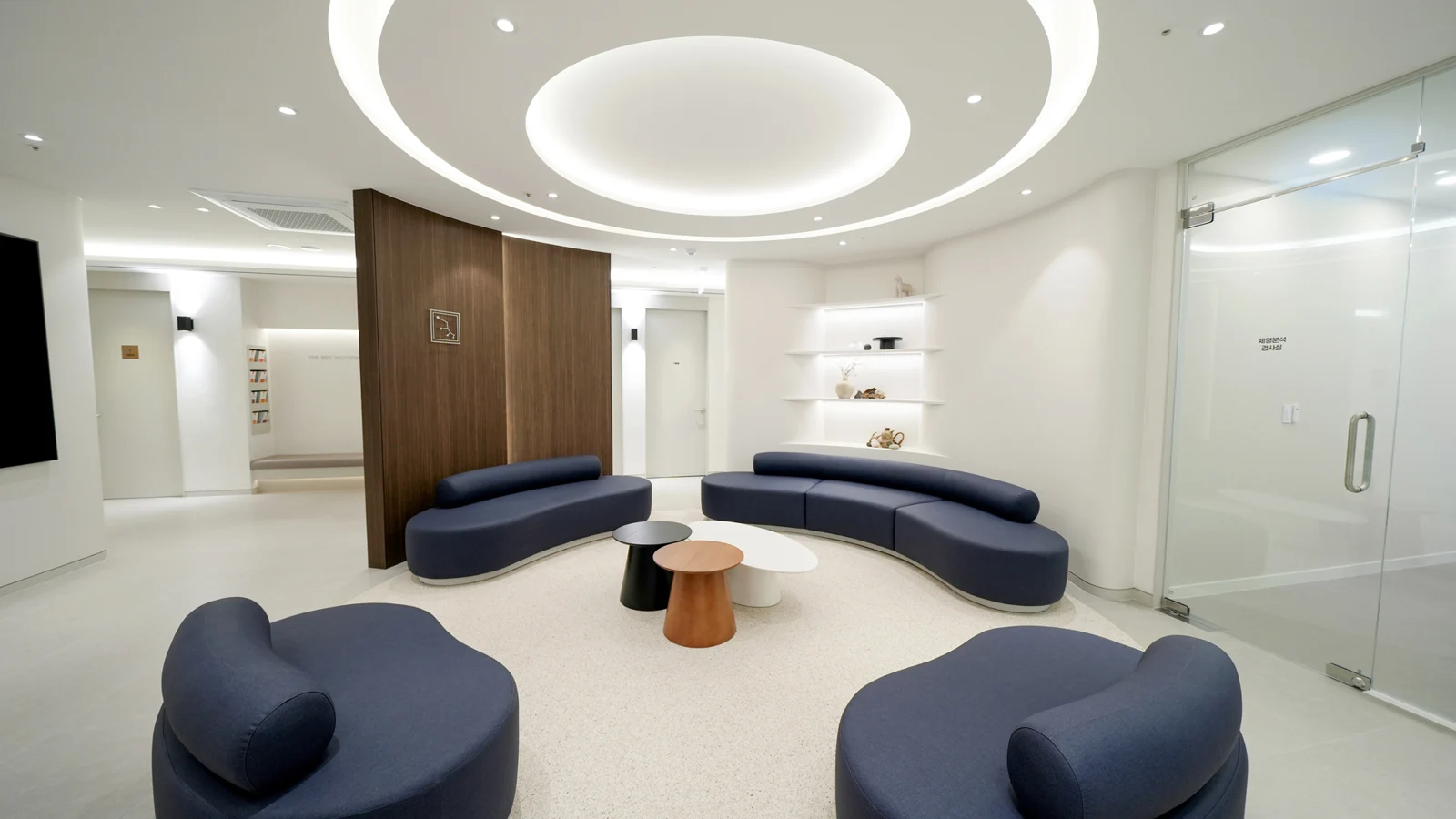
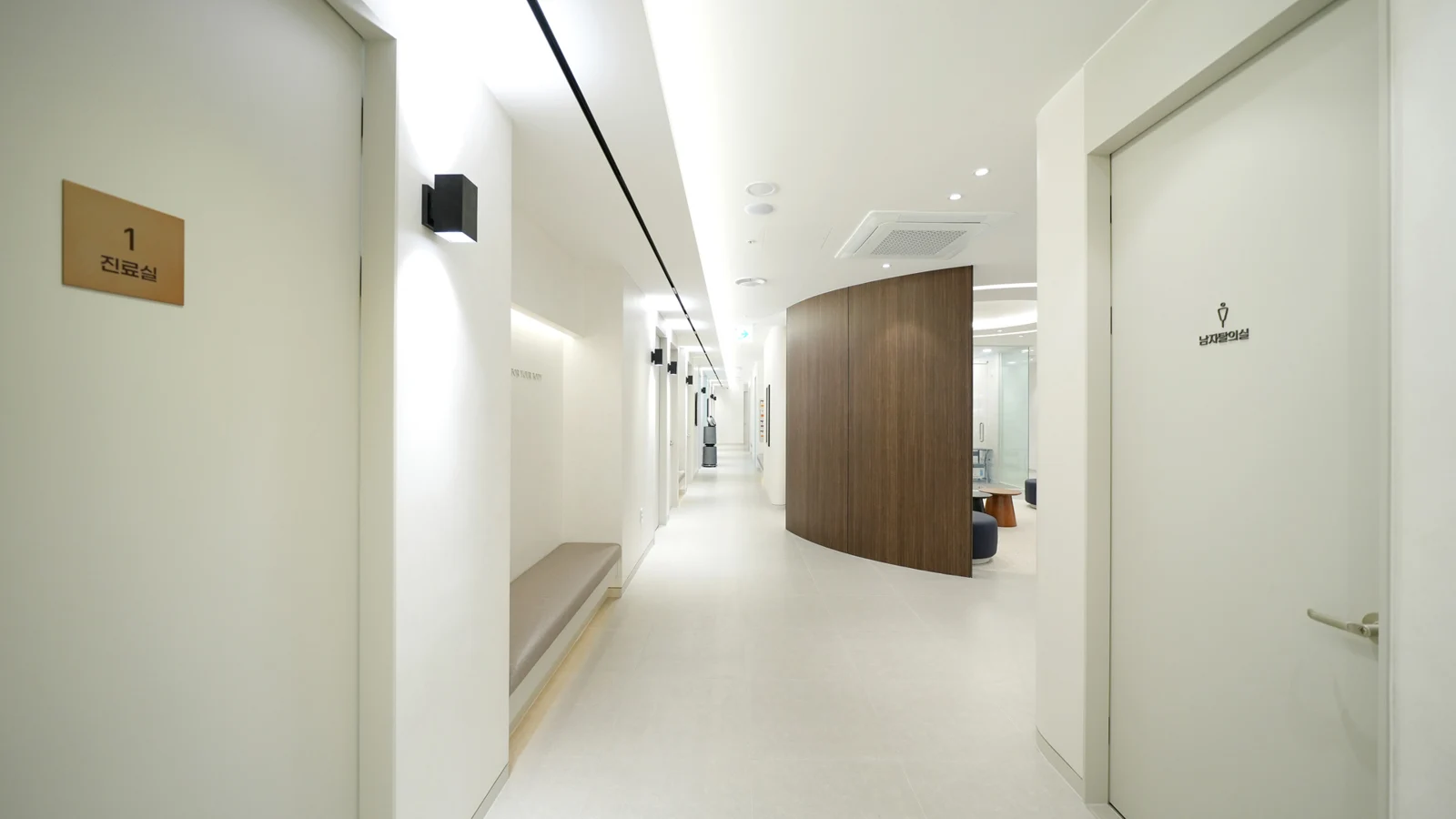
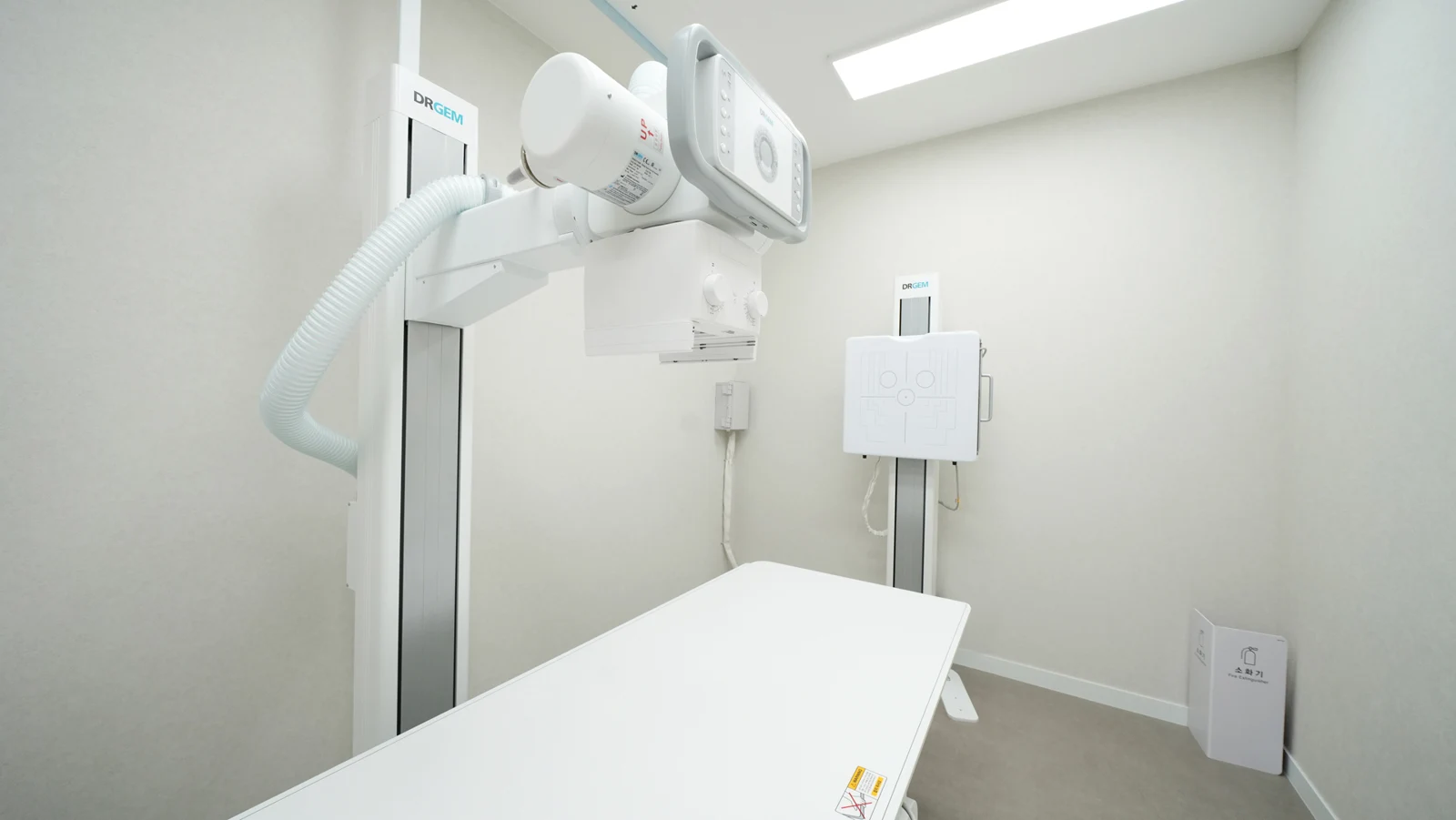
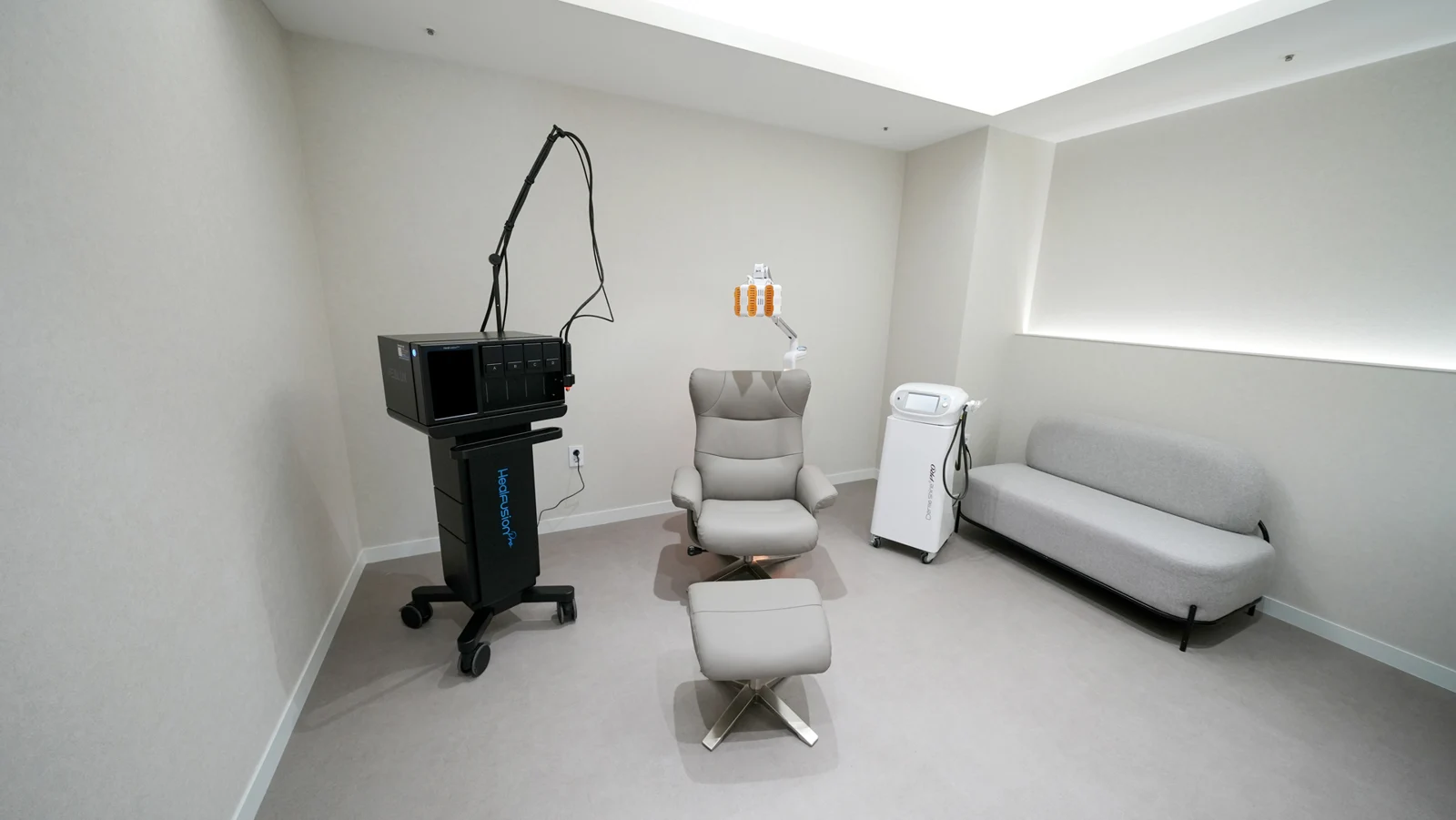
Photos: Yonsei Re Cell. Select a photo to view it in full.
The site separately describes PRF and BMAC. PRF is a blood-derived fibrin preparation and is not interchangeable with bone marrow concentrate.
Treatment preparation: Autologous bone marrow concentrate.
Treatment approach: Knee and musculoskeletal injection.
For a knee or joint consultation, organize your diagnosis, imaging reports and previous joint-treatment records. Ask the clinician to identify the proposed joint, collection procedure and rehabilitation plan on the quote.
Is my quote for BMAC or PRF, and what is the diagnosis-specific evidence for the recommended option?
8th floor, 735 Eonju-ro, Gangnam-gu, Seoul
Ask the clinic where your procedure and follow-up appointments will take place.
Yonsei Re Cell lists PRP, PRF and bone marrow aspirate concentrate (BMAC) alongside spine and joint care. Its English website describes remote follow-up. Ask whether a pre-travel consultation and the proposed follow-up are available for your condition and travel dates before paying for a procedure.
Gather your diagnosis, scans and previous treatment history. Confirm consultation language and itemized costs.
Ask about evidence for your condition, risks and established alternatives. Clarify the proposed preparation:
Decide whether to proceed after assessment and discussion of alternatives.
Confirm collection and injection details, activity limits, rehabilitation and any review needed in Seoul.
Keep the procedure summary. Agree who reviews progress remotely and who can examine you locally.
Walking distance, stairs or return to work, reviewed at an agreed time. Less pain or better movement does not prove cartilage regrowth.
Urgent symptoms need local medical assessment, not only a remote message.
Ask the team to put the diagnosis, body part, preparation and collection method on your plan. A blood draw for a platelet preparation is different from bone marrow collection for BMAC. Request separate details for collection and injection: pain control, risks, observation, activity restrictions and any review that must happen in Seoul. Ask whether the first visit is assessment only.
Choose a practical goal with the clinician, such as walking distance, stair use or return to work, and agree on when it will be reassessed. Improvement in pain or movement does not by itself demonstrate cartilage regrowth. Evidence for stem cell treatment of orthopedic conditions remains limited; ask for studies matching your diagnosis and the proposed preparation, as well as established alternatives. Korean authorization must be checked for the specific use.
Request written instructions for rehabilitation, medicines, warning signs and the contact to use if a problem develops. Confirm which reviews require an examination and what can be discussed remotely, including language and fees. Ask for a procedure summary identifying what was administered and where, so your usual clinician can continue care at home. Remote follow-up is not a substitute for urgent local assessment.
Prepare your consultation questions
Clinic services and patient guidance, checked 5 November 2026: Yonsei Re Cell Yonsei Re Cell: follow-up AAOS OrthoInfo ISSCR
Rehabilitation medicine
Rehabilitation, growth-related concerns, foot care and movement assessment.
Yonsei Re Cell
Background & care roleWhen booking, confirm which doctor will assess you, perform the procedure and oversee follow-up.
Evidence & approval · Itemized costs & travel · Assessing results
Yonsei Re:Cell Clinic is on the eighth floor of 735 Eonju-ro, Gangnam-gu. Its clinical menu includes non-surgical pain management, spine and joint care, autonomic nervous system care, growth medicine and care for professional dancers, alongside cell-regeneration services. For a pain or movement concern, the consultation should connect symptoms and examination findings with the proposed intervention.
The clinic’s gallery shows reception, a main patient lounge, an imaging room and a treatment room. Bring existing scans, reports and a record of previous injections or rehabilitation to avoid losing the context of earlier care. When a cell-derived or platelet preparation is proposed, ask how it fits with physical treatment and what changes in pain or function will be measured.
BMAC, described on its Korean site as autologous bone marrow cell-regeneration treatment.
The clinic team includes Dr. Yi Chang Heon. See each doctor’s profile for their clinical focus, training and role. Confirm the treating doctor when booking.
8th floor, 735 Eonju-ro, Gangnam-gu, Seoul. Confirm where your consultation and procedure will take place before arranging travel.
Use the clinic’s English website below to enquire about dates, interpretation and the assessment needed before treatment.
Clinic information as of 9 October 2026. Further reading:
Clinic information from Yonsei Re Cell. Research methodology.