Regenerative and aesthetic medicine
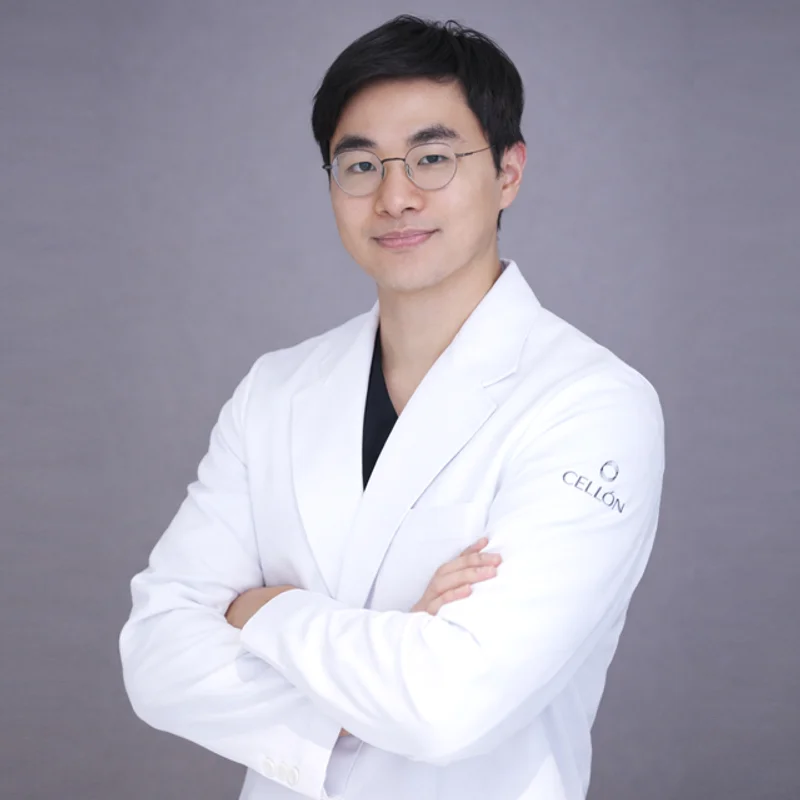
Dr. Hyung-sun Kim
Stem cell and anti-aging consultations.
Cellon Dermatology
Background & care roleClinic profile / Seoul
Stem cell programs using different autologous sources and a named stem cell fat-grafting service.
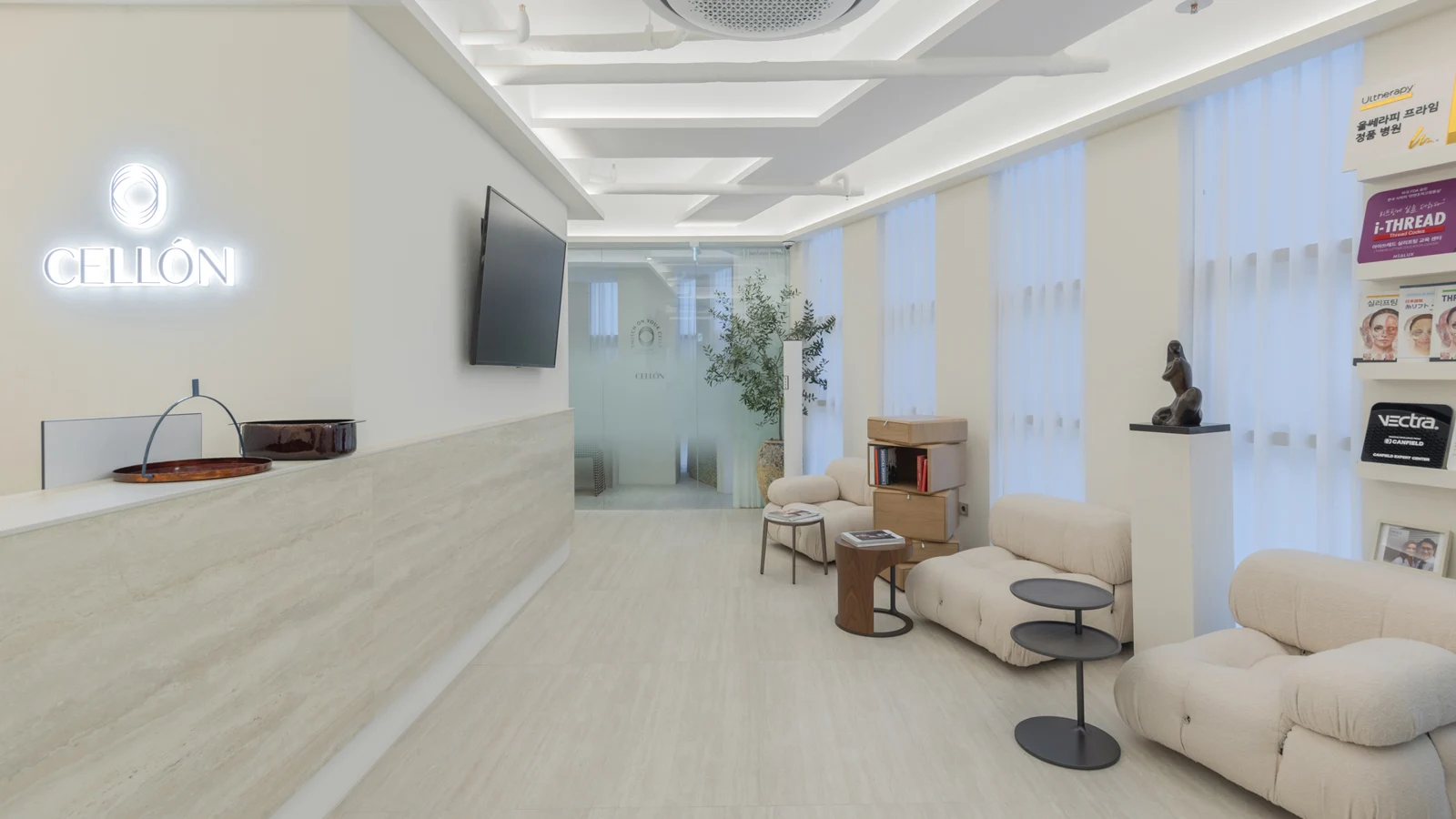
Cellon Dermatology provides care in aesthetic medicine in Seoul. Stem cell programs using different autologous sources and a named stem cell fat-grafting service.
Cellon Dermatology combines skin care, regenerative medicine and aesthetic procedures. It describes an on-site stem cell laboratory and a cleanroom as part of its facility information.
Its cell programs use different autologous sources and include cell-assisted fat grafting. Ask which source and processing pathway applies to your procedure; facility descriptions alone do not identify the preparation used for an individual patient.

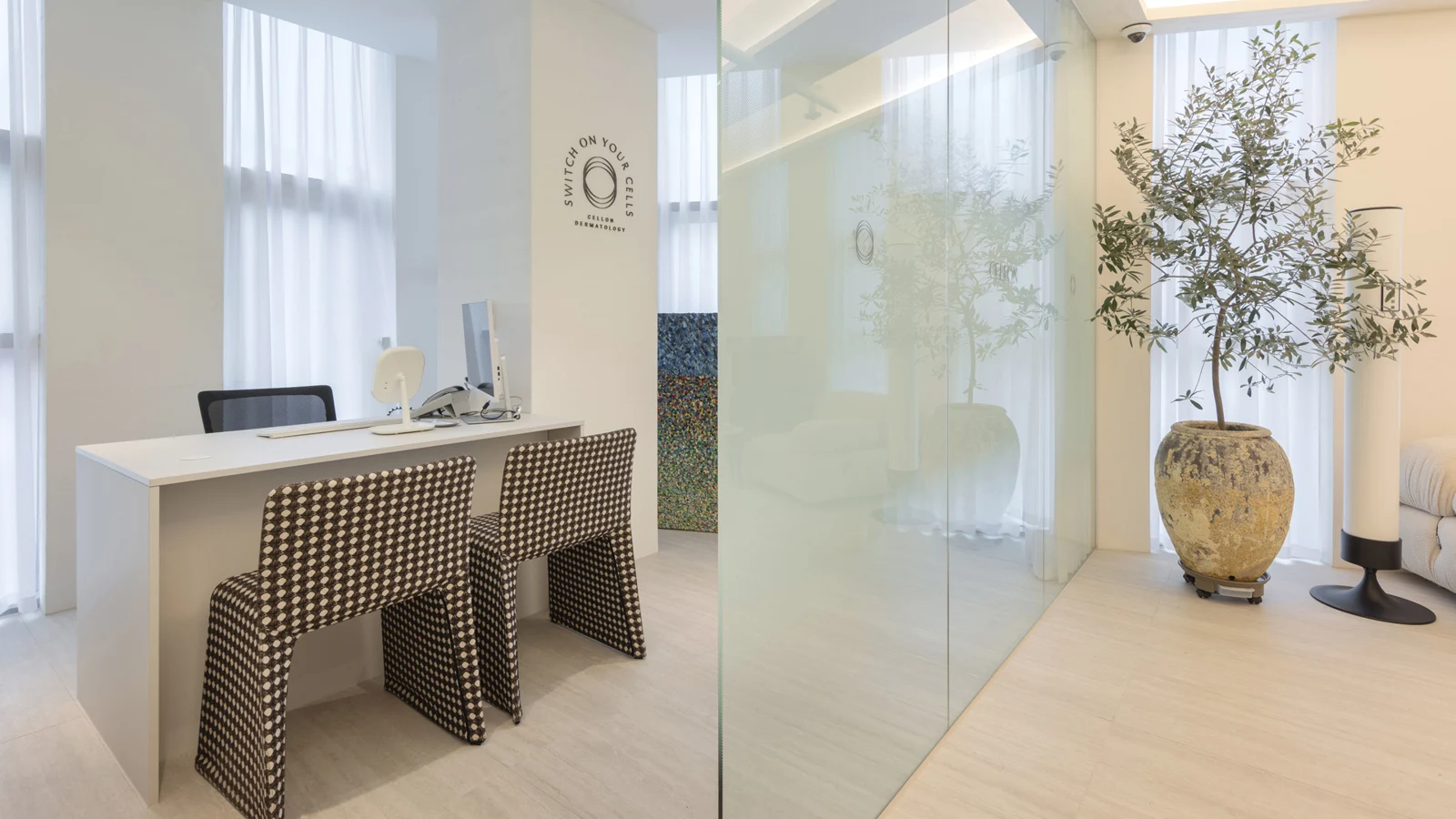
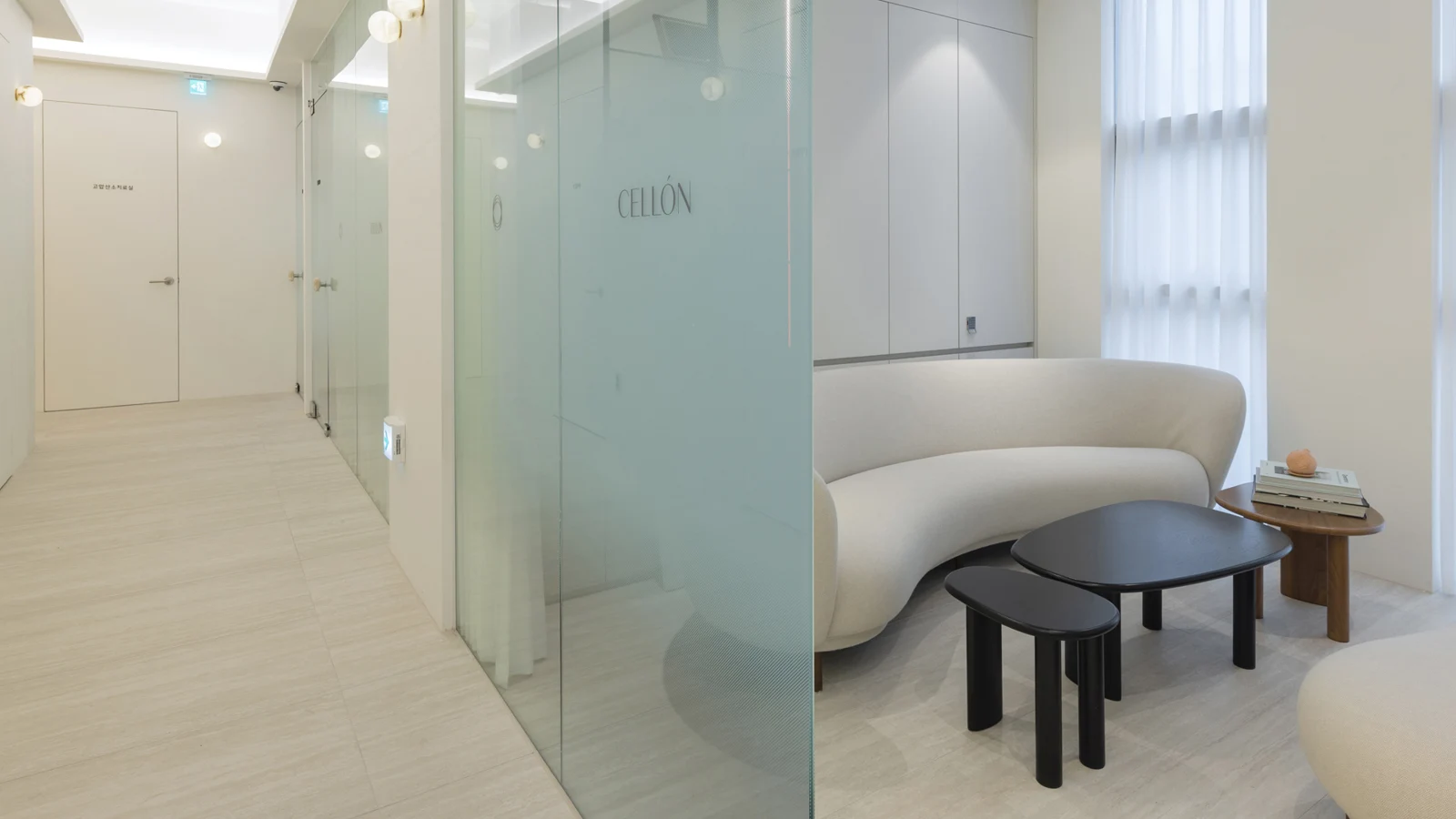
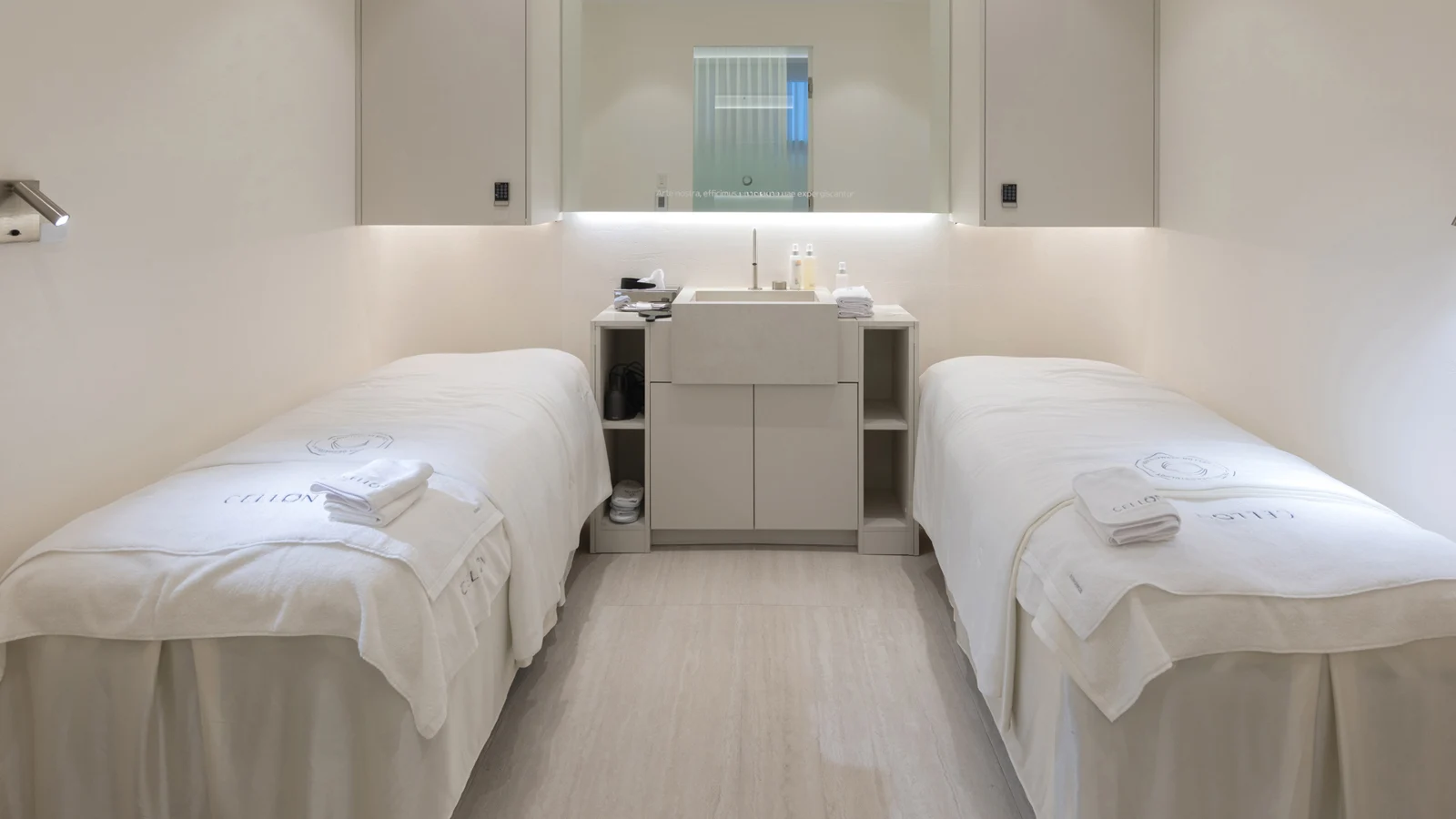

Photos: Cellon Dermatology. Select a photo to view it in full.
The clinic describes a multi-source approach. A cleanroom or extraction kit does not establish effectiveness or remove all procedural risks. Source selection needs a clear clinical explanation.
Treatment preparation: Adipose, blood and marrow sources described.
Treatment approach: Protocol-specific; fat grafting also listed.
Bring details of previous surgery, fillers or tissue collection. Ask the surgeon to separate the operation, cell-related processing and aftercare in the proposed plan.
Why is the selected source appropriate, and which quality controls and outcome measures apply to that preparation?
3rd floor, 37 Seolleung-ro 152-gil, Gangnam-gu, Seoul
Ask the clinic where your procedure and follow-up appointments will take place.
Cellon lists assessment and correction services for problems after liposuction, laser treatment, thread lifting and under-eye surgery. Its service page identifies Dr. Seung-hoon Kang as leading this work and asks patients to bring earlier treatment records. If this is why you are considering Cellon, describe the previous procedure before choosing a new treatment.
Write down the procedure date, body area, clinic and clinician, and when the concern began. Bring the operation report or discharge summary if available, the names of fillers or implanted materials, and photographs showing changes over time. Include medicines, allergies and any treatments already tried for the problem. Ask how to send records securely and which documents need translation before transmitting medical information.
Explain what bothers you: appearance, discomfort or a change in function. Ask the doctor what needs examination, whether further tests or another specialist are needed, and whether observation is an option. Request a comparison of the proposed correction with alternatives, including the limits of what can be changed. Do not assume that a consultation will lead to same-day treatment.
If the proposal includes a cell-based or blood-derived treatment, ask for its exact preparation, route, intended purpose and evidence for your particular problem. Ask what the plan would involve without that component, and obtain separate costs and follow-up arrangements. A laboratory description or a clinic's service listing does not establish that an added procedure will improve your result.
Before booking travel, confirm who will assess you, which visits require your presence, when the doctor can judge whether further treatment is appropriate, and who can help after you return home. Request written aftercare and a contact route for new symptoms. These are planning questions, not a fixed recovery timetable.
Do not wait for an overseas appointment if symptoms are urgent. During or after a filler injection, unusual pain, changes in vision, white or pale, gray, or blue skin near the injection, or signs of a stroke such as sudden trouble speaking, facial droop, or arm weakness need immediate medical attention. The FDA's filler guidance explains these warning signs.
Sources for clinic services and filler warning signs, checked 4 November 2026: Cellon Dermatology FDA
Regenerative and aesthetic medicine
Stem cell and anti-aging consultations.
Cellon Dermatology
Background & care roleDermatology
Dermatologic care and skin-treatment planning.
Cellon Dermatology
Background & care roleDermatology
Skin treatment, dermatologic surgery and aesthetic care.
Cellon Dermatology
Background & care roleWhen booking, confirm which doctor will assess you, perform the procedure and oversee follow-up.
Evidence & approval · Itemized costs & travel · Assessing results
Cellon Dermatology is on the third floor of 37 Seolleung-ro 152-gil, in Seoul’s Cheongdam area. Its published service menu spans skin and anti-aging care, facial and body contouring, cell-related procedures and correction of previous aesthetic-treatment problems. A previous procedure or complication can change the assessment, so bring the earlier treatment record and product details where available.
The clinic’s photography shows reception and patient seating areas, a consultation counter, a two-bed treatment room and individual treatment rooms. If a plan includes fat collection, local injections or another procedure, ask where each step takes place and how observation is arranged. A clinic’s room layout helps you understand the setting, but the treatment plan should explain the preparation and safeguards for your particular procedure.
Stem cell programs using different autologous sources and a named stem cell fat-grafting service.
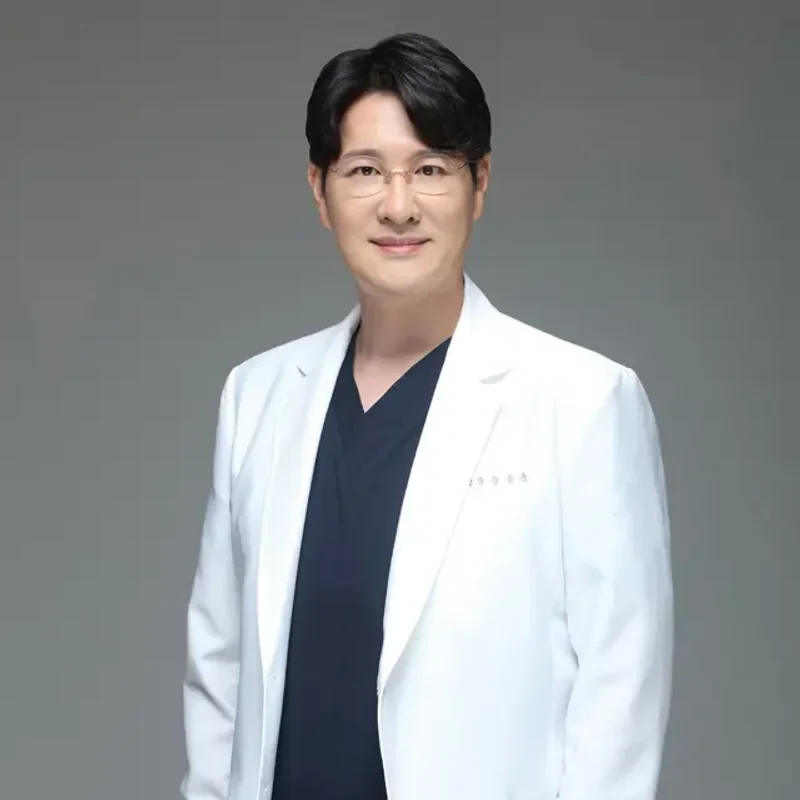
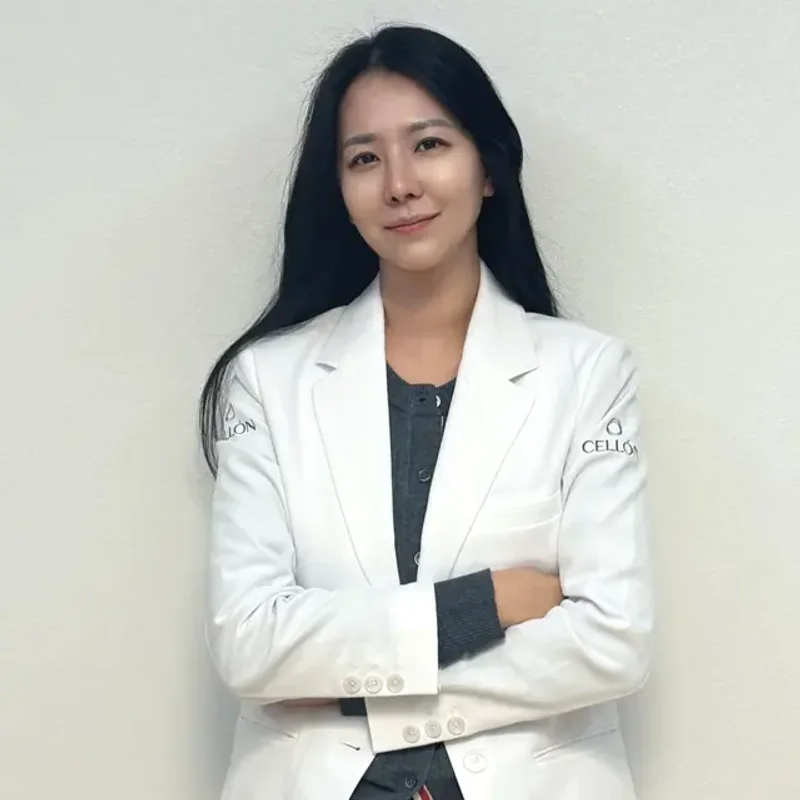
The clinic team includes Dr. Hyung-sun Kim, Dr. Young-hwan Choi, Dr. Seung-hoon Kang. See each doctor’s profile for their clinical focus, training and role. Confirm the treating doctor when booking.
3rd floor, 37 Seolleung-ro 152-gil, Gangnam-gu, Seoul. Confirm where your consultation and procedure will take place before arranging travel.
Use the clinic’s English website below to enquire about dates, interpretation and the assessment needed before treatment.
Clinic information as of 9 October 2026. Further reading:
Clinic information from Cellon Dermatology. Research methodology.