Orthopedic surgery
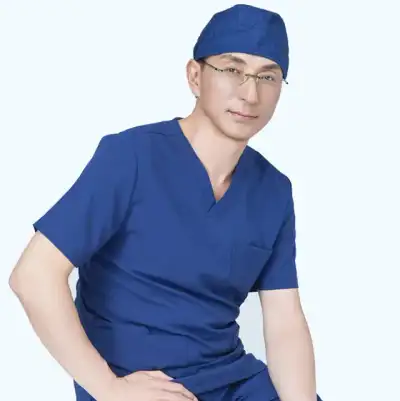
Dr. Hyeong-geun Park
Spine and joint disorders, degenerative conditions and non-surgical pain care.
Shinsa Hyeongtong Orthopedics
Background & care roleClinic profile / Seoul
BMAC—bone marrow aspirate concentrate—within regenerative injection care.
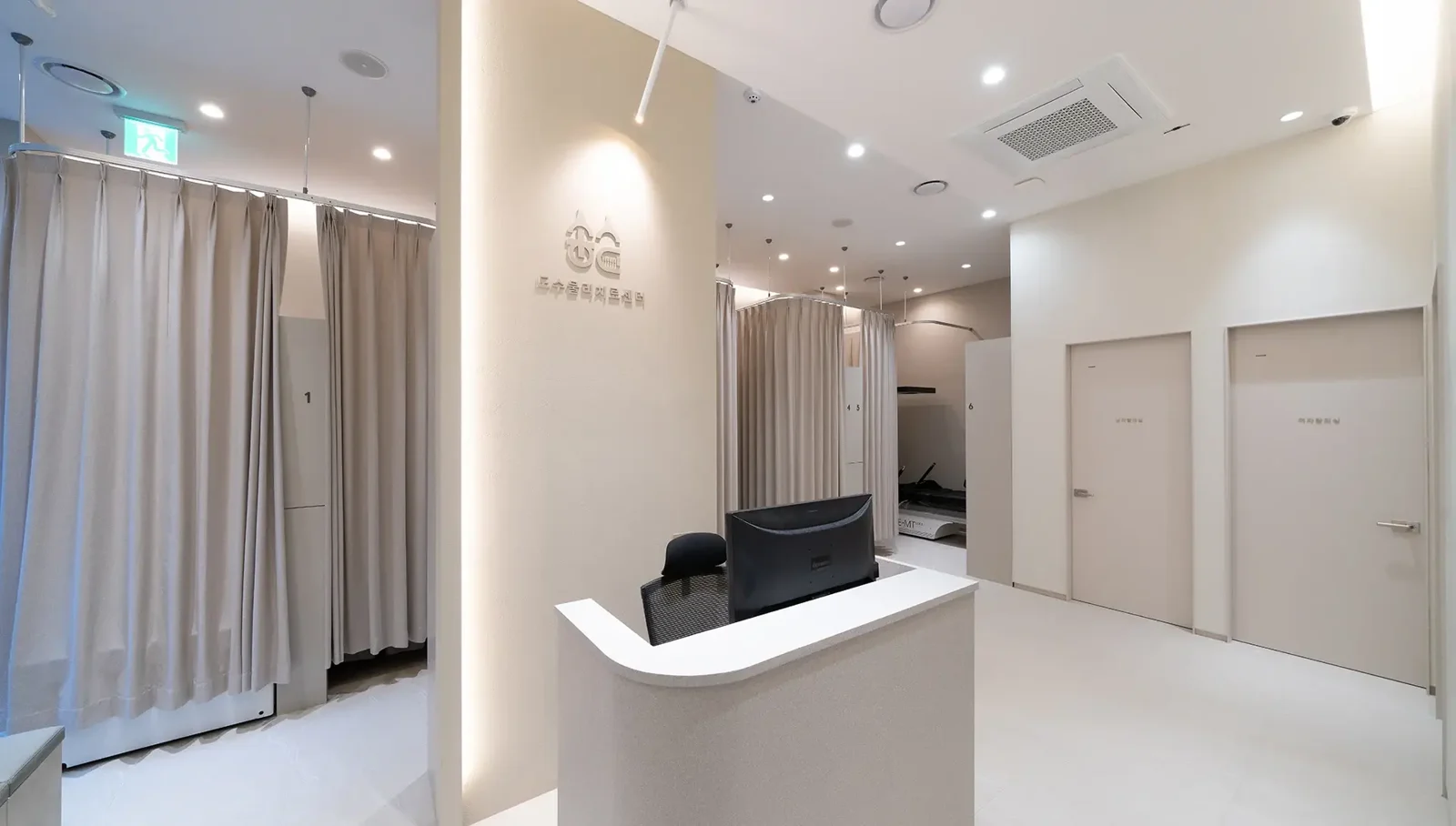
Shinsa Hyeongtong Orthopedics provides care in orthopedics in Seoul. BMAC—bone marrow aspirate concentrate—within regenerative injection care.
Shinsa Hyeongtong Orthopedics includes bone marrow aspirate concentrate, or BMAC, within its regenerative injection care. Its clinical focus makes joint assessment central to the treatment discussion.
A BMAC plan involves marrow collection and preparation as well as the target injection. Ask about imaging, the underlying joint diagnosis and how rehabilitation or other treatments fit into the overall care plan.
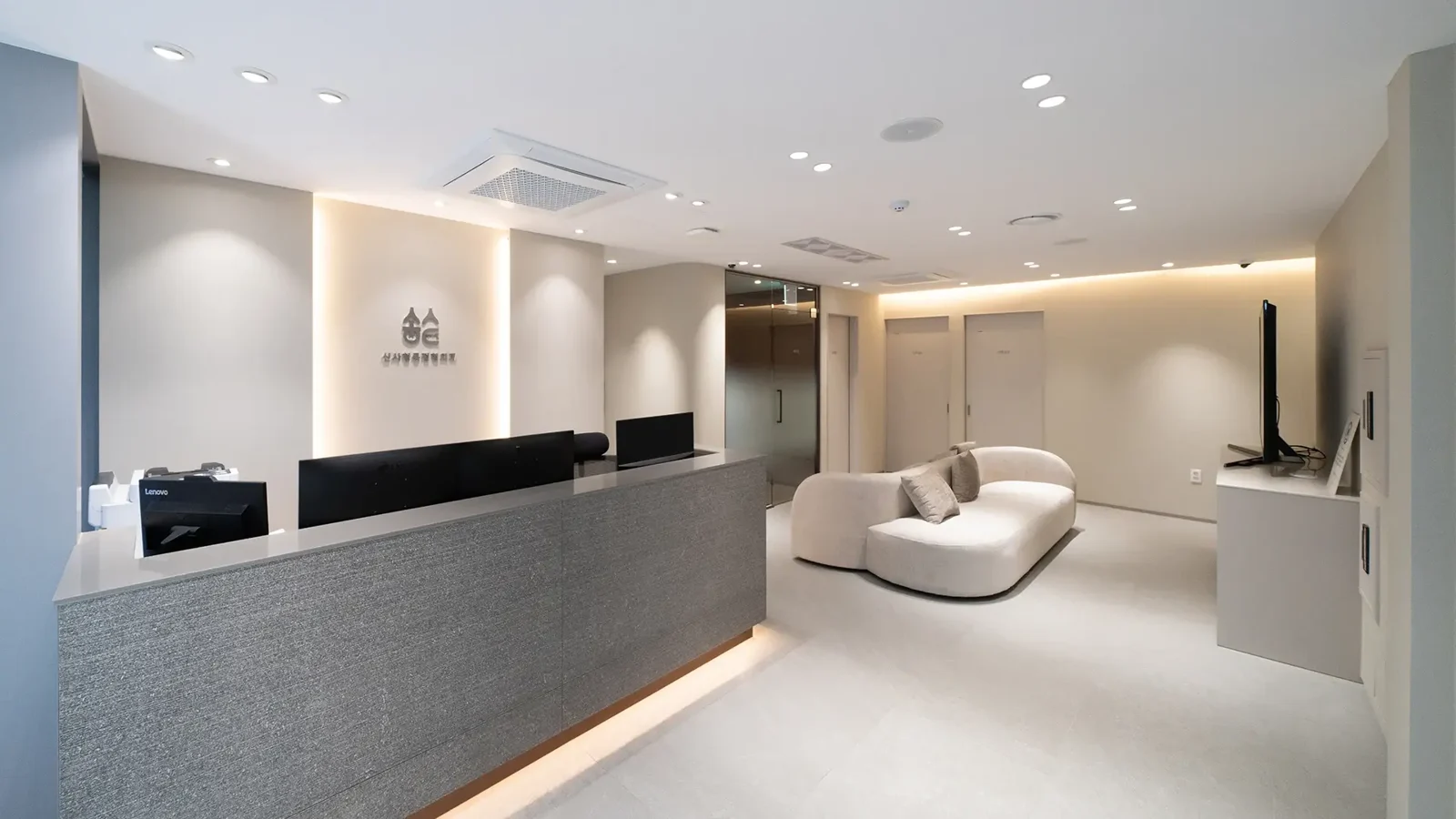
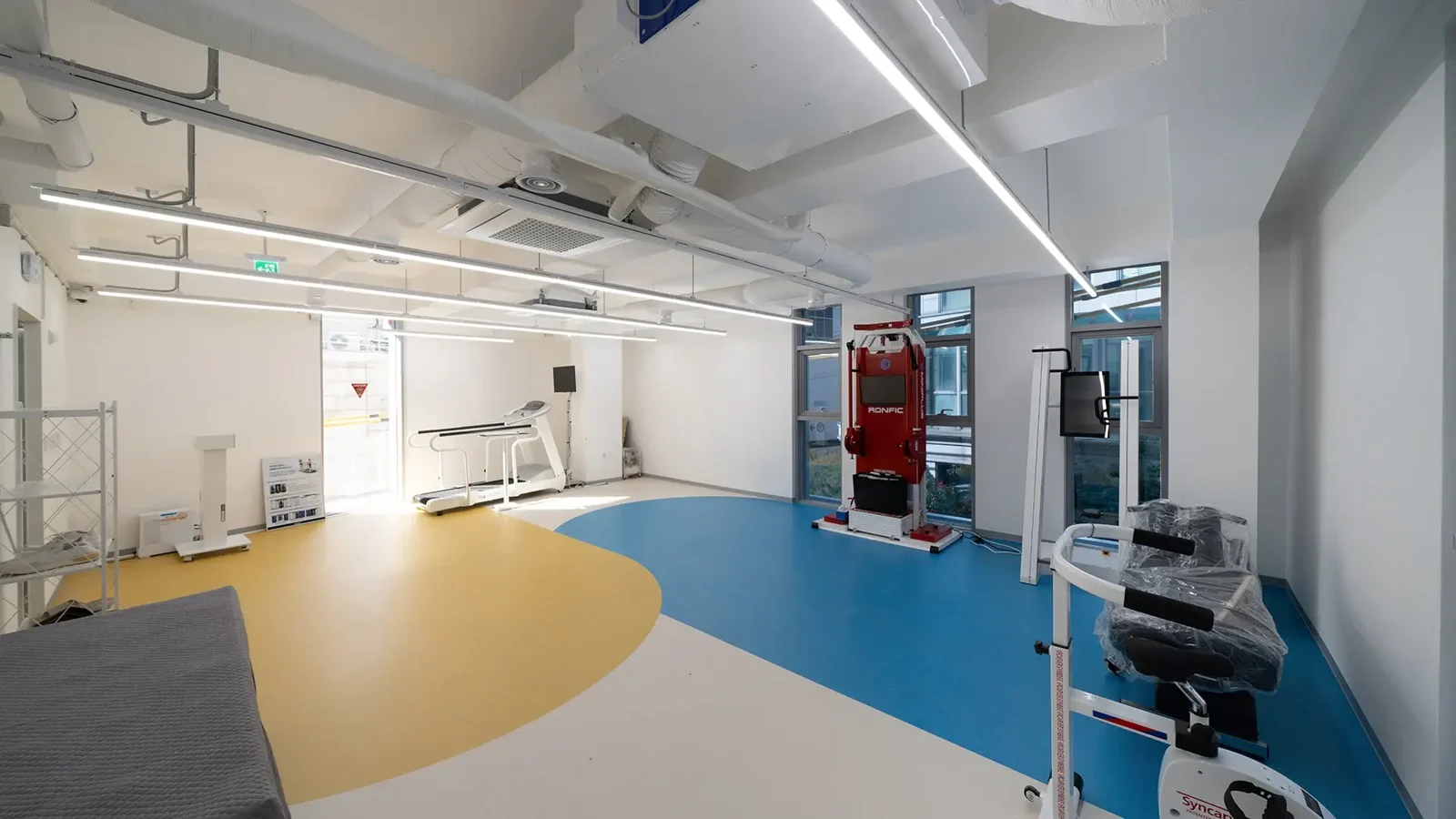
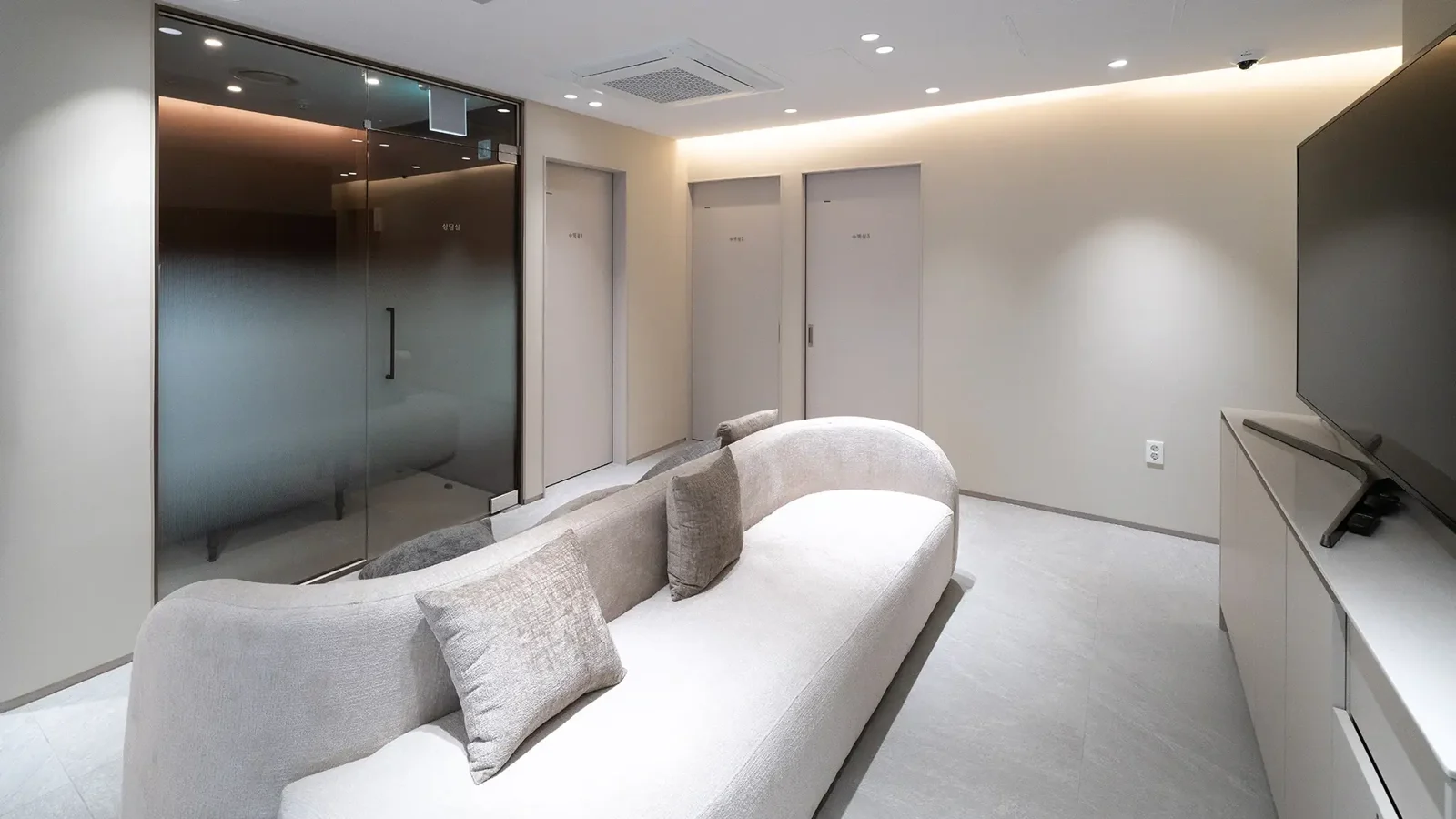
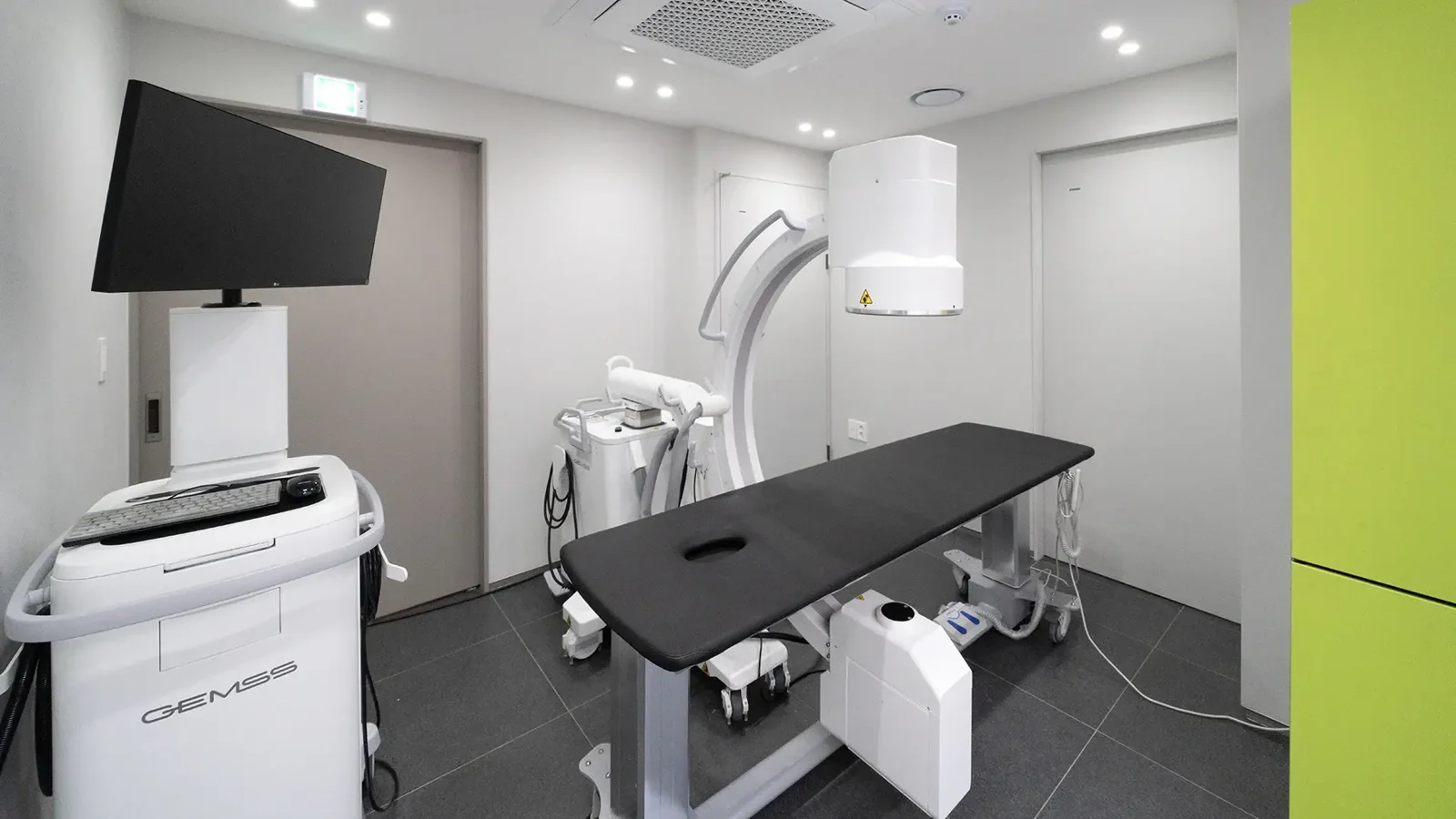
Photos: Shinsa Hyeongtong Orthopedics. Select a photo to view it in full.
The website explicitly identifies autologous bone marrow treatment. BMAC is a mixed concentrate and should not be described as a purified, culture-expanded stem cell product.
Treatment preparation: Autologous bone marrow concentrate.
Treatment approach: Musculoskeletal injection.
For a knee or joint consultation, organize your diagnosis, imaging reports and previous joint-treatment records. Ask the clinician to identify the proposed joint, collection procedure and rehabilitation plan on the quote.
What diagnosis and imaging findings make me a candidate, and how will this compare with rehabilitation, medicines or surgery?
Orthopedic surgery
Spine and joint disorders, degenerative conditions and non-surgical pain care.
Shinsa Hyeongtong Orthopedics
Background & care roleWhen booking, confirm which doctor will assess you, perform the procedure and oversee follow-up.
Shinsa Hyeongtong Orthopedics lists bone marrow aspirate concentrate (BMAC), platelet-rich plasma (PRP) and C-arm-guided nerve blocks within its injection services. These names describe different parts of care. BMAC and PRP identify preparations; a nerve block describes a treatment directed around a nerve; C-arm or ultrasound describes how a clinician sees the target. An image-guided injection is not automatically a stem cell treatment.
Name the condition, body side and structure to be treated. Ask how the examination and any imaging support that choice.
Record the preparation or medicine, source and intended outcome. A BMAC, PRP or nerve-block proposal needs its own explanation.
Identify ultrasound or C-arm if used, the reason for that method, the clinician responsible and the follow-up plan.
Seeing the needle target does not establish that the injected product rebuilds cartilage or will relieve your symptoms.
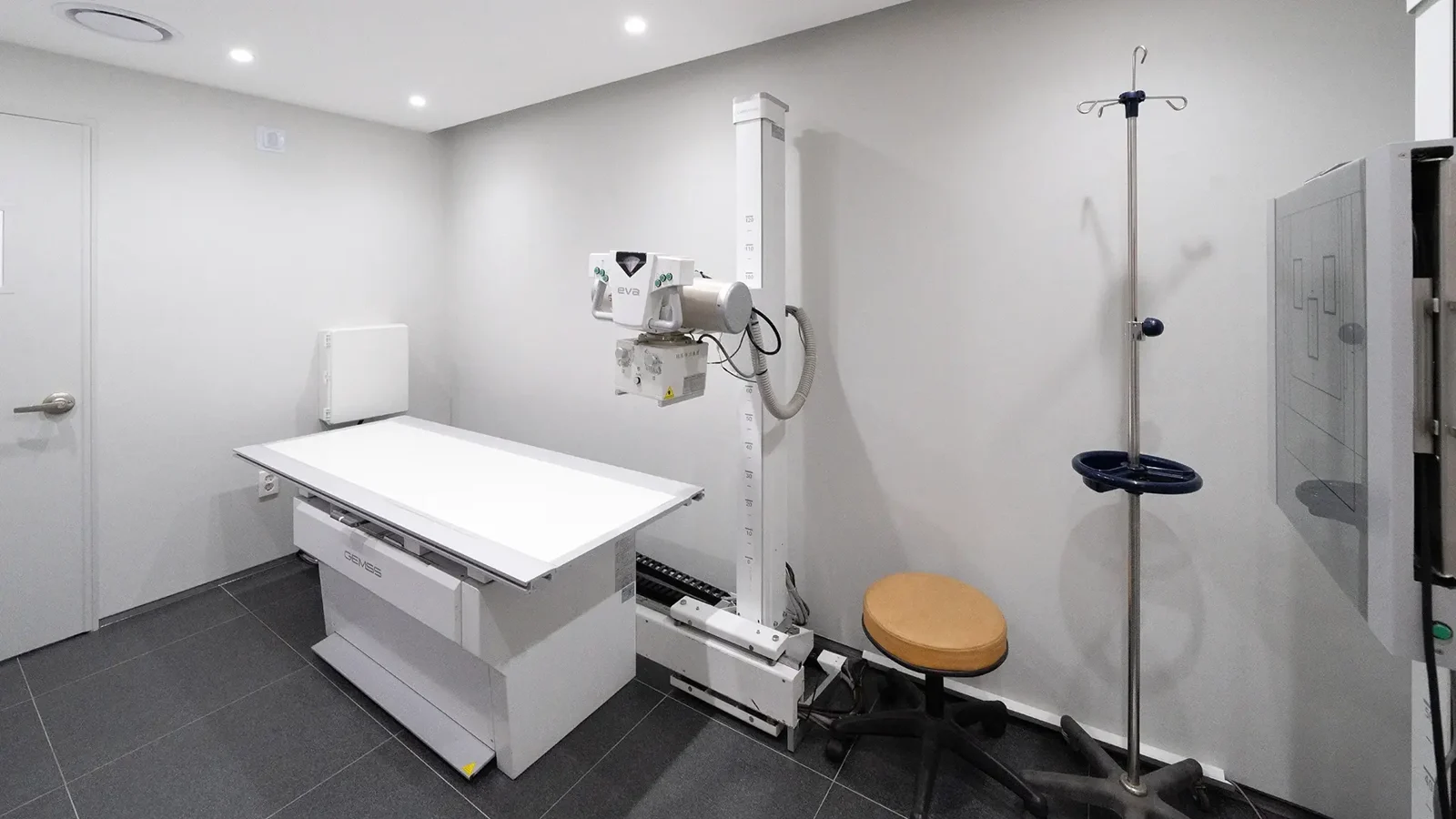
The clinic describes using C-arm fluoroscopy and, where indicated, ultrasound guidance. Fluoroscopy produces real-time X-ray images and involves ionizing radiation. Ultrasound uses sound waves and does not use ionizing radiation. The choice depends on the target and the clinical plan, rather than one method being best for every injection.
Ask which method is planned for your procedure and why. If C-arm imaging is proposed, ask whether contrast dye will be used and discuss relevant allergies and possible pregnancy with the treating team. The FDA’s fluoroscopy and ultrasound guides explain the imaging differences; they do not establish approval of a Korean clinic’s treatment.
Ask the clinician to explain the expected benefit, risks and evidence for your diagnosis and the exact preparation. An equipment name does not identify the contents of an injection, prove its effectiveness or remove procedure risks. Infection can occur after an invasive injection, even when the product has been prepared appropriately. AAOS describes limited and mixed evidence for orthopedic stem cell treatments. Improvements in pain or movement should not be presented as proof of cartilage regrowth.
Discuss appropriate alternatives, including rehabilitation, medicines or a surgical opinion when relevant. Ask what would make the clinician advise against the proposed injection. Do not stop prescribed medicines to prepare for treatment unless your treating clinician gives you a specific plan.
Bring previous imaging and reports, an up-to-date medicine list, and the dates and effects of earlier injections. Choose one activity you want to improve, such as walking to a shop or climbing stairs, and record your current limitation. This gives the doctor a practical baseline for follow-up.
The ISSCR questions for patients cover evidence, consent, oversight, costs and emergency care. Take time for an independent opinion if the proposed benefit remains unclear.
Clinic sources checked 5 November 2026: Injection servicesImage-guidance explanationRehabilitation services
Evidence & approval · Itemized costs & travel · Assessing results
Shinsa Hyeongtong Orthopedics is near Sinsa Station in Gangnam. Its clinic introduction gives 11-27 Nonhyeon-dong and describes a practice established in June 2024. Its scope includes neck and back pain, shoulder conditions, sports injuries and nerve-compression symptoms.
The non-surgical menu lists BMAC, PRP, joint injections, nerve blocks and manual rehabilitation. These are different interventions rather than interchangeable names for one treatment. Bring imaging and prior treatment records so the assessment can connect your diagnosis to the proposed procedure and explain how rehabilitation will fit into the plan.
BMAC—bone marrow aspirate concentrate—within regenerative injection care.
The clinic team includes Dr. Hyeong-geun Park. See each doctor’s profile for their clinical focus, training and role. Confirm the treating doctor when booking.
Use the clinic’s English website below to enquire about dates, interpretation and the assessment needed before treatment.
Clinic information as of 9 October 2026. Further reading:
Clinic information from Shinsa Hyeongtong Orthopedics. Research methodology.