Patient library / Joint health & movement
BMAC vs PRP for Knee Osteoarthritis in Korea: How to Compare
A practical comparison of two knee-treatment proposals, including what the evidence can show and how to plan care in Korea.
9 minute read
BMAC is not automatically a better knee treatment than PRP because its name includes bone marrow or stem cells. The useful comparison is whether either preparation is appropriate for your knee osteoarthritis, what evidence supports the proposed protocol, and what the complete course would involve. A randomized comparison found no superior pain or function outcome for BMAC over PRP through two years in the patients studied. That finding does not prove that every commercial preparation is interchangeable. Read the comparative trial.
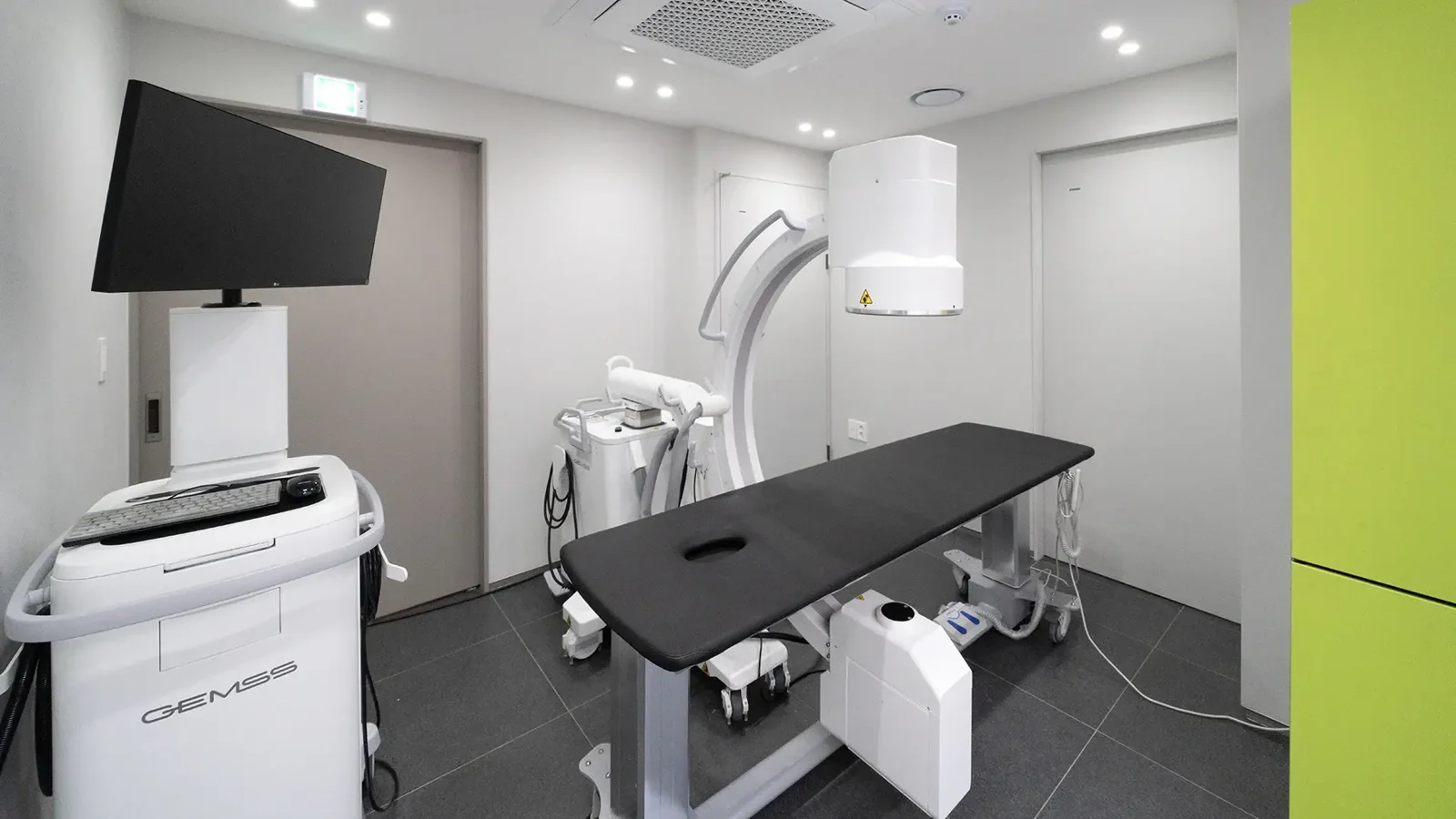
If you are considering treatment in Seoul, start with an orthopedic assessment rather than a package name. Ask the doctor to explain the diagnosis, the realistic aim of treatment, and the alternatives before deciding whether travel and an injection make sense. This guide helps you compare two actual proposals without needing to become a laboratory specialist.
What is the difference between BMAC and PRP?
PRP, or platelet-rich plasma, is prepared by taking blood and concentrating its platelet component. BMAC, or bone marrow aspirate concentrate, begins with marrow collection and processing. It is a mixed concentrate, not a label for a purified population of cultured stem cells. The collection stage therefore differs even when both proposals end with an injection into the knee. AAOS explains PRP preparation; the BMAC–PRP trial describes the comparison.
Ask for the written name of the final preparation. A description such as “regenerative joint injection” is not enough to establish what will be administered. If a clinic uses a device brand, ask what that device produces, which parts of the process it covers, and whether the quoted procedure includes anything else. A familiar brand can help identify equipment; it does not answer whether the treatment is useful for you.
| Decision point | PRP proposal | BMAC proposal |
|---|---|---|
| Starting material | Blood collection | Bone marrow collection |
| Details to request | Preparation type and injection schedule | Collection, processing and injection plan |
| Practical commitment | All planned visits and reviews | Collection-site care as well as knee follow-up |
| Evidence question | Does the studied PRP protocol match? | Does the studied BMAC protocol match? |
Make sure the proposals address the same knee problem
Osteoarthritis assessment involves your history, an examination and relevant investigations; there is no single test that decides every case. Imaging can help the clinician understand the joint, while symptoms and the activities you struggle with help define the treatment goal. NIAMS describes diagnosis and treatment options.
Bring the actual imaging report and, when available, the images. Write down previous injections, operations and rehabilitation, including whether each helped and for how long. Tell the doctor about locking, instability or a change in your usual symptoms. These observations belong in the assessment; they should not be converted into a self-diagnosis from an online checklist.
Ask whether the proposal concerns osteoarthritis, a focal cartilage defect, or another problem. An injection discussion and an operation intended to address a specific defect may involve different patients, evidence and recovery. Our cartilage-defect comparison explains the terminology. If two clinics describe different diagnoses, resolve that difference before comparing their prices.
What does the direct comparison actually show?
The Anz trial enrolled people with symptomatic knee osteoarthritis of Kellgren–Lawrence grades 1–3 and compared a single BMAC injection with a single leukocyte-rich PRP injection. Reported pain and function measures did not differ significantly between groups through two years. Some participants were lost to later follow-up, and the study did not compare these injections with a placebo group. Its findings are relevant to that particular decision, not proof of cartilage regrowth or a guarantee for severe arthritis. Study methods and limitations.
There are three useful questions to take from that result. Does your diagnosis resemble the study population? Does the clinic propose a comparable preparation and schedule? Is its promised benefit something that the researchers actually measured? Ask the doctor to address any important differences rather than simply sending you the paper title.
A before-and-after improvement can matter to a patient while leaving uncertainty about why it happened. A comparison between two active treatments also answers a different question from a comparison against usual care. For your own decision, ask what the evidence changes: the choice of procedure, the expected goal, the follow-up plan, or the recommendation to avoid an injection altogether.
Keep rehabilitation and established options in the discussion
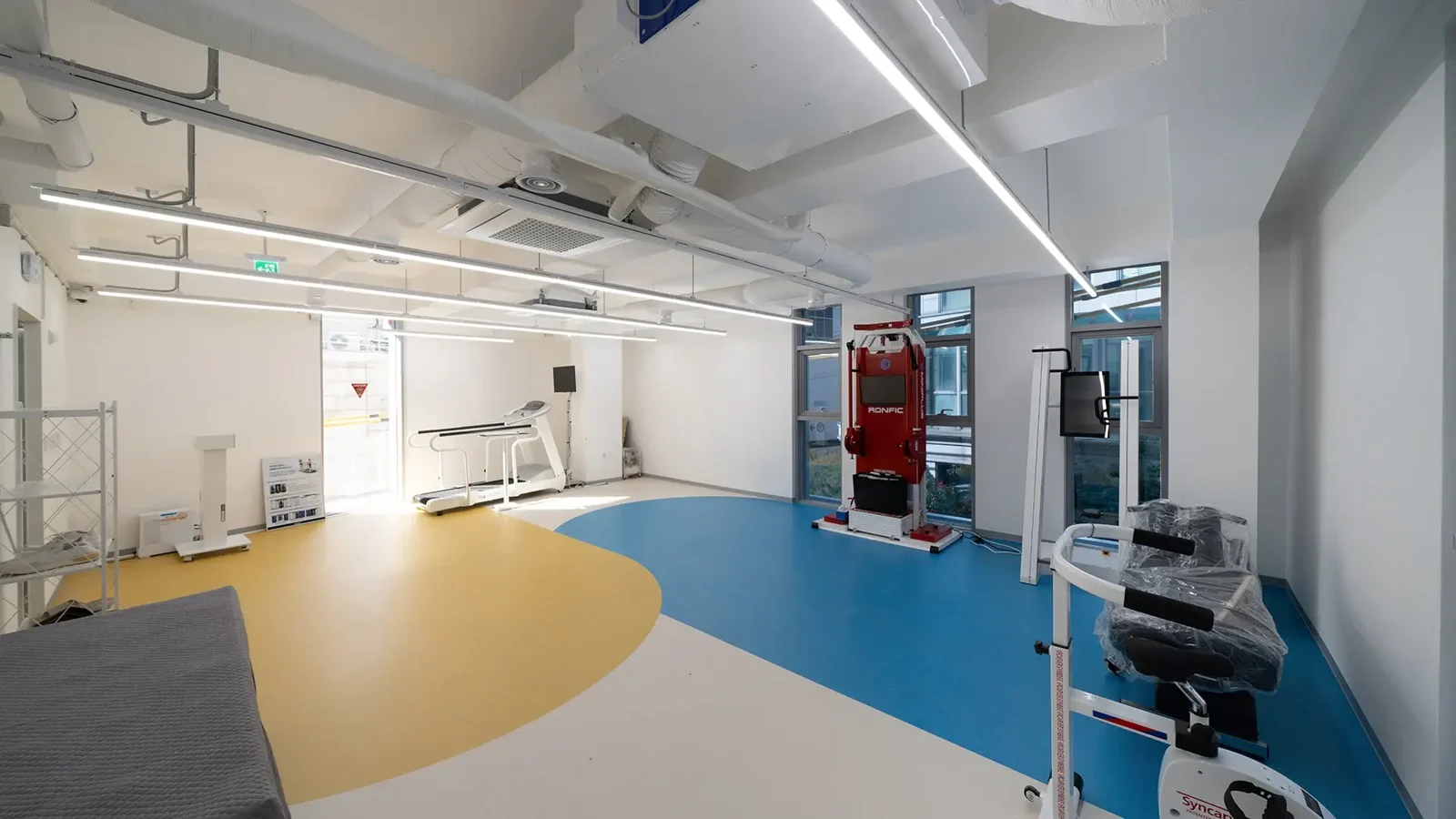
Osteoarthritis management can include suitable exercise, weight management where relevant, medicines, supports and, for selected patients, surgery. The choice depends on symptoms, function, general health and the extent of the joint problem. An injection should be assessed within that broader plan rather than replacing it by default. See the NIAMS treatment overview.
Describe a practical goal such as managing the stairs at home or walking comfortably for an ordinary errand. Ask which part of the plan addresses that goal and who will help you work toward it. If rehabilitation has already been tried, explain its duration and what you could realistically maintain; “physiotherapy failed” may leave out information the next clinician needs.
You do not have to choose an injection simply because you travelled for a consultation. Ask what the doctor would recommend if you declined BMAC or PRP. A useful second opinion can end with a revised rehabilitation plan, a different treatment discussion or a decision to postpone a procedure.
Compare risks and preparation without changing medicines yourself
PRP involves an injection, and marrow-based treatment adds a collection procedure. Ask about pain, bleeding, infection, the collection site, anesthesia or sedation if proposed, and how the team handles an unexpected problem. AAOS notes that PRP can cause increased injection-site pain and that infection, tissue damage and nerve injury remain considerations. The individual risk discussion must cover the actual BMAC procedure as well. AAOS patient information.
Send a complete medicine and supplement list, allergies and relevant medical history before the appointment. If instructions mention stopping a medicine, ask the treating doctor and its usual prescriber to agree the plan. Do not use another patient's preparation schedule as your own. Ask which findings would lead the team to postpone treatment and whether assessment fees would still apply.
Before leaving, obtain written advice about expected symptoms, warning signs, the daytime and out-of-hours contact, and where to seek local assessment. A messaging service should not be your only plan for an urgent problem. Clarify who can examine you if the treating clinician is unavailable.
Compare the whole course, not the price per injection
There is no single comparable price for all BMAC and PRP programs in Korea. Request an itemized quote in the clinic's billing currency, with separate lines for consultation, investigations, collection, processing, injection, any anesthesia, medicines, rehabilitation and reviews. Mark optional services clearly. This makes it easier to see whether a higher total reflects extra care, a different procedure or simply a different package.
For example, a quote for one BMAC procedure and a quote for several PRP appointments describe different commitments. Ask why that schedule is proposed, which visits require you to remain in Korea, and what happens if your response leads the doctor to change the plan. A package discount should not become the reason for a medically unnecessary repeat session.
Keep travel, accommodation, time away from work and possible additional assessment outside the treatment subtotal. Ask your insurer about the named procedure and destination in writing; do not assume ordinary travel cover pays for planned treatment or its complications. Use our treatment-quote guide for the broader financial questions.
If one quote is much shorter than another, ask for the missing information before treating the totals as comparable. Put the two proposed schedules next to each other and identify the assessment, procedure and review dates. Check whether one or both knees are included and whether a second knee would change the collection, appointment or cost. These are questions for the provider, not assumptions to make from a package title. Keep the written version of the agreed plan so you can distinguish a medically necessary change from an unexpected commercial addition.
Plan recovery and follow-up before booking flights
Ask for procedure-specific advice on walking, transport, work, exercise and flying. A clinic's shortest advertised visit is not an individual recovery plan. If marrow is collected, the instructions should cover that site as well as the knee. If another procedure is combined with the injection, establish which restrictions come from each component.
Agree how progress will be assessed after you return home. Record your baseline symptoms and everyday limitations in a format the clinician finds useful, then use the same measures at review. Ask who will interpret results, whether an in-person examination may be necessary, and how records will reach your local clinician. Decide in advance what little or no improvement would prompt: reassessment, an alternative plan or further investigation, rather than an automatic repeat purchase.
A listed clinic to consider for an orthopedic consultation
Shinsa Hyeongtong Orthopedics in Seoul lists BMAC, joint care and rehabilitation on its official website, which identifies Dr. Hyeong-geun Park as its lead doctor. Those published services make it relevant to a discussion of marrow-based knee care. Contact the clinic to ask whether your records are suitable for an initial assessment.
Ask the team why BMAC is being considered in your case, how it compares with PRP or continued non-procedural care, and which doctor would perform each step. This listing does not establish that every alternative is offered there. This profile is provided for information and is not a clinical ranking. You can review Dr. Park's profile alongside the treatment proposal.
Questions patients ask before choosing
Does BMAC rebuild knee cartilage?
Do not interpret a claim of symptom improvement as proof of cartilage regrowth. Ask what the cited study measured, whether imaging or tissue findings support the particular claim, and whether the same result has been shown for the proposed preparation. A cell count alone cannot answer that question.
Is PRP simply a cheaper version of BMAC?
No. They begin with different material and involve different collection processes. Compare the reason each is proposed, its evidence and the complete care commitment. A lower price does not establish poor care, and a higher price does not establish better outcomes.
Can I decide before travelling?
You can collect records, obtain a preliminary opinion and clarify costs remotely. Ask what remains undecided until an examination. Keep enough flexibility to reconsider if the diagnosis or recommendation changes in Seoul; paying for travel does not oblige you to proceed.
Sources and further reading
Cell Verified editorial team · AI-assisted research and writing. Editorial policy